🐶Introduction
Every pet parent knows the joy of watching their furry friends light up at the sight of tasty snacks. Pet treats are far more than just delicious rewards; they strengthen bonding between owners and pets, assist with obedience training, ease pet anxiety, and supplement daily nutrition missing from regular staple food. Whether you own an energetic dog or a lazy indoor cat, picking appropriate, well-loved snacks becomes an essential part of daily pet care. Countless pet food brands launch new treat options every year, yet classic natural snacks consistently top the favorite list for most dogs and cats. This article sorts out the most popular pet snacks split into canine-favorite and feline-preferred categories, alongside key buying and feeding advice to avoid unhealthy choices.
🥣Top Favorite Treats for Dogs
Dogs are omnivorous animals with varied taste preferences, leaning heavily toward meat-based snacks while accepting select fruits and vegetables as supplementary bites.
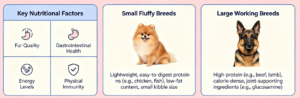
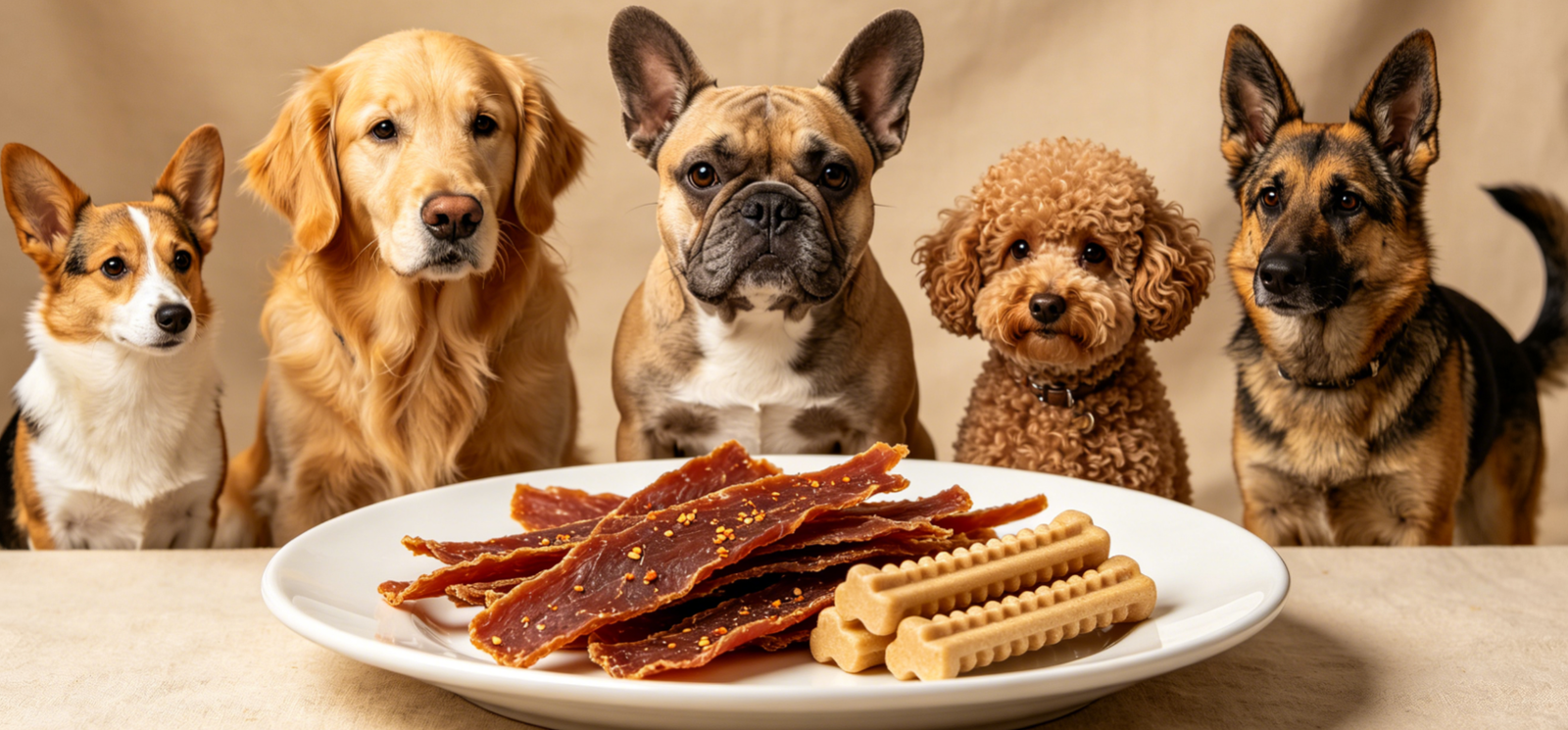
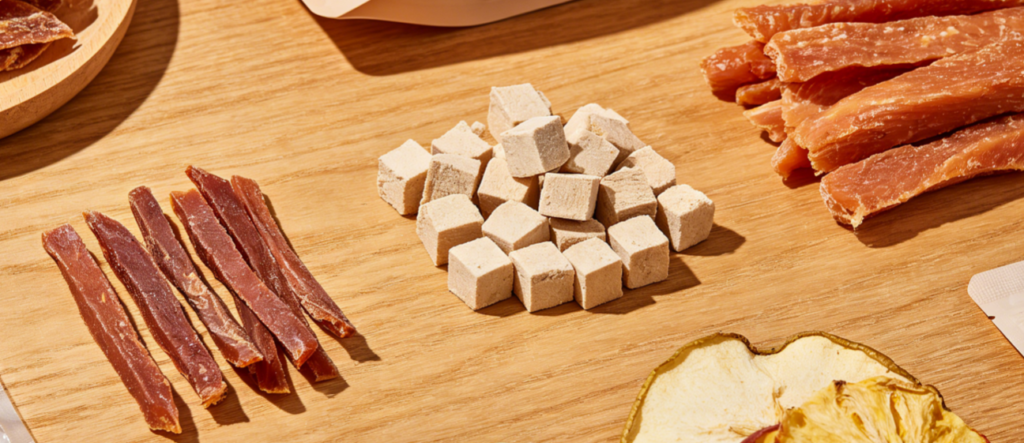
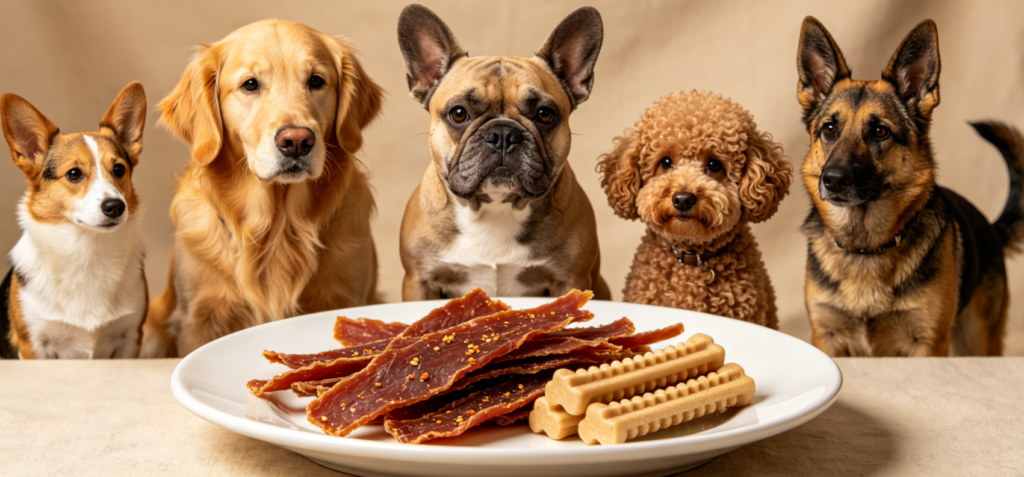
First, air-dried meat jerky ranks as the undisputed No.1 favorite across all dog breeds. Chicken jerky, duck breast strips and beef lung slices dominate market sales. Made by low-temperature air dehydration without excessive preservatives, these chewy snacks satisfy dogs’ innate chewing desire. Large breeds like German Shepherds and Golden Retrievers favor thick beef jerky to grind growing teeth, while small dogs such as Pomeranians and Corgis prefer thin shredded chicken jerky for easy biting. Most dogs go crazy once owners open the jerky packaging, instantly gathering around waiting for small rewards during daily training.
Second, freeze-dried raw meat cubes win massive popularity among picky-eater dogs. Freeze-dried chicken, duck, salmon and quail retain original meat flavor and nutrition without high-temperature frying. Many owners crush freeze-dried powder and mix it into daily dog kibble to boost appetite, or feed whole granules as training prizes. Unlike greasy baked snacks, freeze-dried products feature low fat and hardly cause stomach upset or obesity for indoor sedentary dogs.
Third, dental chews and gnawing bones serve dual purposes as snack and oral care. Flavored milk bones, vegetable-based dental sticks and natural cow knuckle bones are beloved by teething puppies and adult dogs prone to tartar. Hard-textured chews scrape off food residue on dogs’ teeth during long-time gnawing, effectively reducing bad breath and dental calculus problems. Most medium and large dogs spend over thirty minutes focused on chewing one bone, keeping them occupied and preventing destructive biting of furniture.
For supplementary plant snacks, crisp apple slices, dehydrated sweet potato strips and carrot chips are widely accepted by most dogs. These low-calorie plant treats add dietary fiber to improve canine gastrointestinal motility, perfect for overweight dogs needing weight management.
🐱Most-Loved Snacks for Domestic Cats
Cats are obligate carnivores with sensitive stomachs and finicky taste buds, nearly obsessed with high-protein meat snacks while rejecting most sour or bitter plant food.
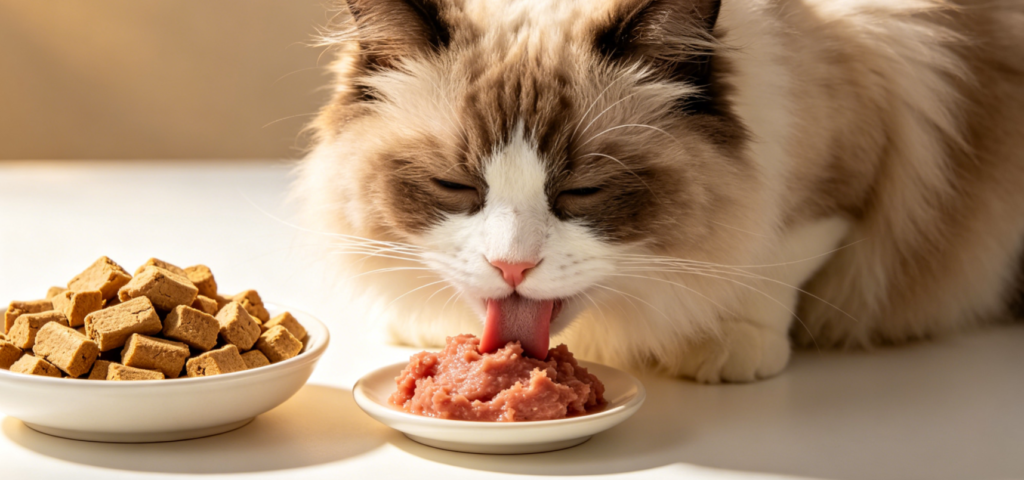
Freeze-dried chicken breast and freeze-dried small mice are classic cat staples loved universally. The concentrated meat aroma instantly attracts indoor cats no matter how sleepy they are. Pet owners commonly feed several small freeze-dried pieces after meals as daily rewards. Freeze-dried salmon cubes rich in Omega-3 help improve cat fur glossiness, a top pick for long-haired breeds including Ragdolls and Persians.
Wet cat treats in pouch form, known as cat puree paste, stay among best-selling feline snacks. Tuna, chicken and shrimp-flavored liquid paste comes in long strip tubes; owners squeeze paste directly for cats to lick. Finicky cats refusing dry kibble often get tempted by meat puree, and this snack also works well for giving pills by wrapping medicine inside paste.
Canned small-sized wet treat and cat crunch biscuits are casual daily picks. Crispy cat biscuits with seafood flavor suit short-time feeding for playful cats, while mini canned tuna snacks work as occasional feast food for spoil pets. Most cats get excited at the sound of opening aluminum snack cans, darting toward owners immediately.
Fruit snacks rarely suit cats; only tiny amounts of freeze-dried cranberry pieces are acceptable occasionally, which help protect cats’ urinary tract health. Never feed grapes, raisins or citrus fruits as treats for cats, these fruits contain toxic ingredients harmful to feline kidneys.
⚠️Key Tips When Feeding Pet Treats
Although pets crave tasty snacks, improper overfeeding leads to obesity, pancreatitis and picky eating disorders. All treats should make up less than 10% of pets’ total daily calorie intake to guarantee staple food remains the main nutrition source. Avoid cheap snacks loaded with excessive artificial pigment, salt and preservatives sold at low prices; long-term intake harms pets’ liver and kidney functions. For puppies and kittens under three months old, cut snacks into tiny pieces to prevent choking risks, and gradually introduce new treat varieties one by one to observe possible food allergies like vomiting or diarrhea.
💡Conclusion
From chewy meat jerky for dogs to silky meat puree for cats, high-quality natural snacks build happy daily moments for companion animals. Choosing nutrient-balanced, low-additive treats not only satisfies pets’ taste cravings but safeguards their long-term physical health. When matched with moderate feeding habits, delicious pet snacks turn into the sweetest bonding medium between pets and their loving owners.