
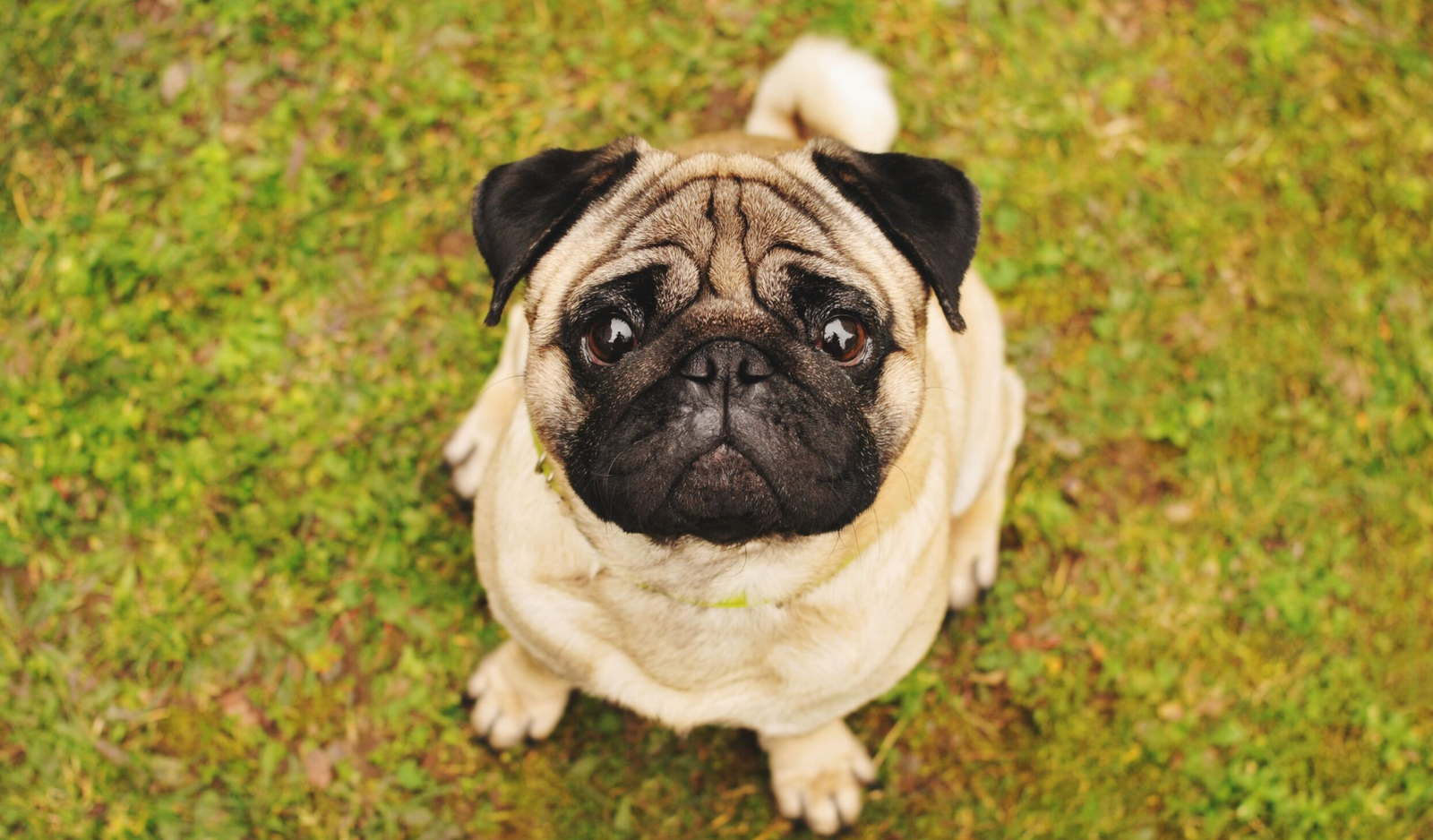
Pug, also known as the Chinese Happa dog, is one of the oldest toy dog breeds in the world, with a breeding history dating back more than 2,000 years to ancient China’s Han Dynasty. In the imperial era, Pugs were exclusive companions for royal nobles, carefully raised and protected. Later, they were introduced to Europe and quickly became beloved pets of European royal families, winning the favor of many monarchs. The breed has a classic Latin motto Multum in Parvo, which means “a lot packed into a small package”, perfectly describing this little dog with a small body but rich personality and loyal heart. With their distinctive wrinkled flat faces, big round eyes, short smooth coats and compact sturdy bodies, Pugs have gradually become one of the most popular companion dogs in urban families worldwide, especially suitable for apartment dwellers, the elderly and novice pet owners. The standard adult Pug weighs between 6 and 8 kilograms, with a shoulder height of 25 to 28 centimeters. The most common coat colors are fawn with black facial masks and pure black. Their average lifespan ranges from 12 to 15 years if fed and cared for scientifically.
goods | bigs | vox | dogv1 | tape | vara | kaf | upz | bood
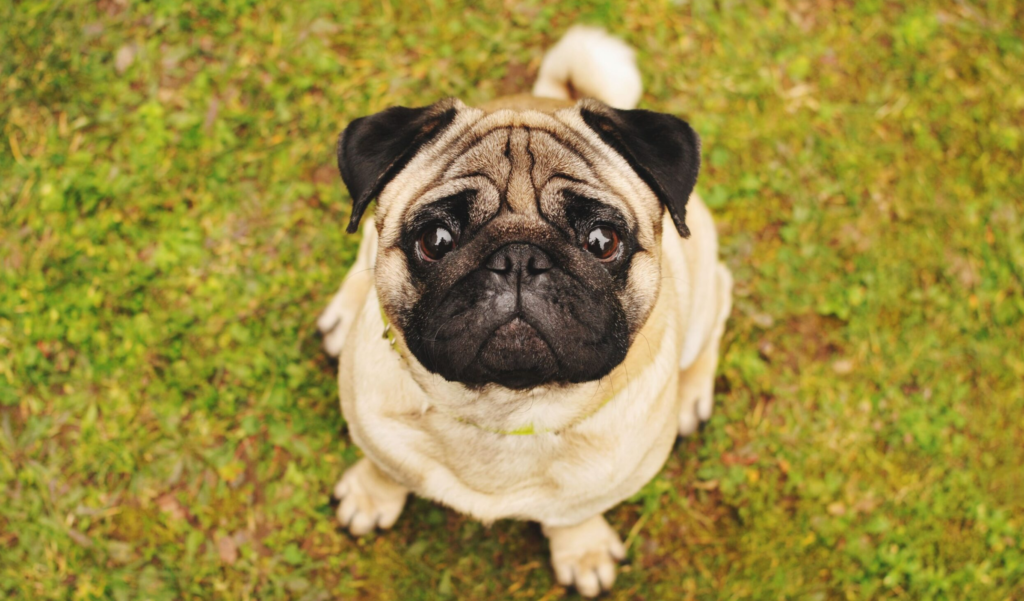
1. Gentle, clingy and humorous personality
Pugs are famous for their docile, affectionate and clown-like temperament. They are extremely dependent on their owners and suffer severely from separation anxiety if left alone for more than four hours. It is common to see Pugs follow their owners from room to room, hoping to stay by human sides all the time, whether resting on the sofa or accompanying daily work. Unlike many small dogs that bark frequently, Pugs rarely make loud noises; they only bark gently when strangers visit or they feel unsafe. They get along harmoniously with children, the elderly and other household pets such as cats and small dogs, showing strong tolerance and patience. Although most of the time they are obedient, Pugs have a slight stubborn streak. During training, they may pretend not to hear commands to beg for snacks, which requires owners to maintain consistent training rules instead of indulging their willful behaviors. Their wrinkled faces can show vivid emotional changes, from innocent grievance to cheerful excitement, bringing endless fun to family life.
2. Low exercise tolerance and strong heat intolerance
As a typical brachycephalic (short-muzzled) breed, Pugs have narrow respiratory tracts, which lead to inherent breathing difficulties, frequent snoring and snorting during sleep or slight activities. They never need long-distance running, strenuous hiking or high-intensity agility training. The daily suitable exercise volume is only 20 to 30 minutes of slow walking in cool mornings or evenings. Strenuous exercise in hot, humid weather will easily trigger fatal heatstroke. In summer, owners should avoid taking Pugs outdoors from 10 a.m. to 6 p.m., and arrange indoor interactive games such as puzzle toys and gentle fetch instead. Most Pugs prefer staying indoors to rest and sleep, spending most of the day lying beside their owners, so they are known as typical sedentary companion dogs perfectly adapted to urban apartment life.
3. Greedy appetite and high risk of obesity
Pugs are born food lovers with extremely weak self-control over food. They will stare at their owners with round eyes to beg for all kinds of snacks and table leftovers. Combined with their low daily activity level and efficient calorie metabolism, they are extremely prone to gaining weight rapidly. Even 2 kilograms of excess weight will seriously aggravate their respiratory pressure, trigger patellar luxation, arthritis, heart disease and diabetes, greatly shortening their lifespan. Besides, Pugs shed all year round, with heavy shedding in spring and autumn molting seasons. Their short hairs are easy to stick to clothes, so regular grooming is an essential living habit management task. In addition, skin folds on their faces, ears and necks are easy to accumulate dirt, tears and sebum, which will breed bacteria and cause skin inflammation if not cleaned every day.
II. Scientific Feeding Methods for Pugs
1. Choose high-quality breed-specific dog food with strict portion control
Diet management is the core of Pug feeding, and weight control is the top priority. Owners must select AAFCO-certified high-quality dog food specially designed for small breeds or Pugs, with high-quality animal protein such as chicken, fish and lamb accounting for 22% to 25% of ingredients, moderate fat between 12% and 15%, and low-glycemic carbohydrates from sweet potatoes and oats to protect intestinal health and avoid skin allergies caused by grain fillers like corn and wheat. Free feeding is strictly forbidden; owners must use measuring cups to fix daily food portions according to age and neuter status. Pug puppies under 6 months old need three meals a day with about one cup of puppy-specific high-calorie food to support bone growth. Adult Pugs should be fed twice a day with a total daily intake of 1.2 to 1.5 cups of low-calorie adult dog food, roughly 400 to 500 kilocalories per day. Neutered Pugs and senior Pugs over 7 years old need to reduce total calories by 15% to prevent fat accumulation, while appropriately increasing protein content to avoid muscle loss in old age. Using slow-feeder bowls can effectively prevent Pugs from gobbling food too fast and swallowing excessive air, which avoids flatulence and indigestion.
2. Strictly restrict human food and reasonable snack arrangement
It is tempting to give Pugs leftover meals, but salty, oily human food such as fried dishes, sausages, chocolate, grapes and onions will cause kidney burden, skin itching, poisoning and tear stain aggravation. Daily snacks should only account for less than 10% of total calorie intake, and low-fat snacks like freeze-dried chicken, fresh carrot slices and apple chunks are ideal choices, which can be used as rewards for obedience training. Clean fresh drinking water must be available 24 hours a day, and water bowls should be cleaned frequently to prevent bacterial reproduction. For Pugs with sensitive skin and severe tear stains, owners can properly add fish oil rich in Omega-3 fatty acids to daily food to improve coat condition and relieve inflammatory reactions, and regular probiotic supplementation helps regulate fragile intestinal functions and reduce loose stools and body odor.
3. Stage-based feeding adjustment and regular physical examination
For senior Pugs aged 8 and above, owners need to switch to low-phosphorus senior dog food to protect kidney function, and regularly add joint health supplements to relieve arthritis pain caused by obesity. Avoid feeding too many high-calorie canned foods for a long time, which will lead to rapid weight gain. Besides daily feeding, regular veterinary physical examinations every six months are necessary, including weight monitoring, respiratory tract inspection, eye corneal examination and joint screening, to detect hereditary diseases such as brachycephalic airway syndrome and patellar luxation in advance. If the Pug is overweight, owners must immediately adjust the diet structure, reduce daily food portions and increase gentle indoor exercise to restore a healthy body shape with obvious waist lines and touchable ribs under thin fat layers.
III. Supplementary Daily Care to Cooperate with Feeding
Reasonable feeding must be matched with standardized daily care to guarantee the health of Pugs. Every day, owners need to wipe the facial wrinkles, eye corners and nasal folds with pet-specific antibacterial wet wipes, and blow dry the skin folds thoroughly to avoid damp dermatitis. Comb the short coat once a week to remove floating hairs, take a bath every 2 to 4 weeks, clean ear canals weekly and brush teeth three times a week to prevent periodontal disease and body odor. When going out for walks, use a harness instead of a neck collar to avoid squeezing the narrow airway and causing breathing distress. With careful feeding, patient companionship and standardized care, this loyal and lovely wrinkled little partner can accompany the family for more than a decade, bringing countless warm and happy moments to daily life.