kaf | goods | tape | dogv1 | vox | vara | fly | dood
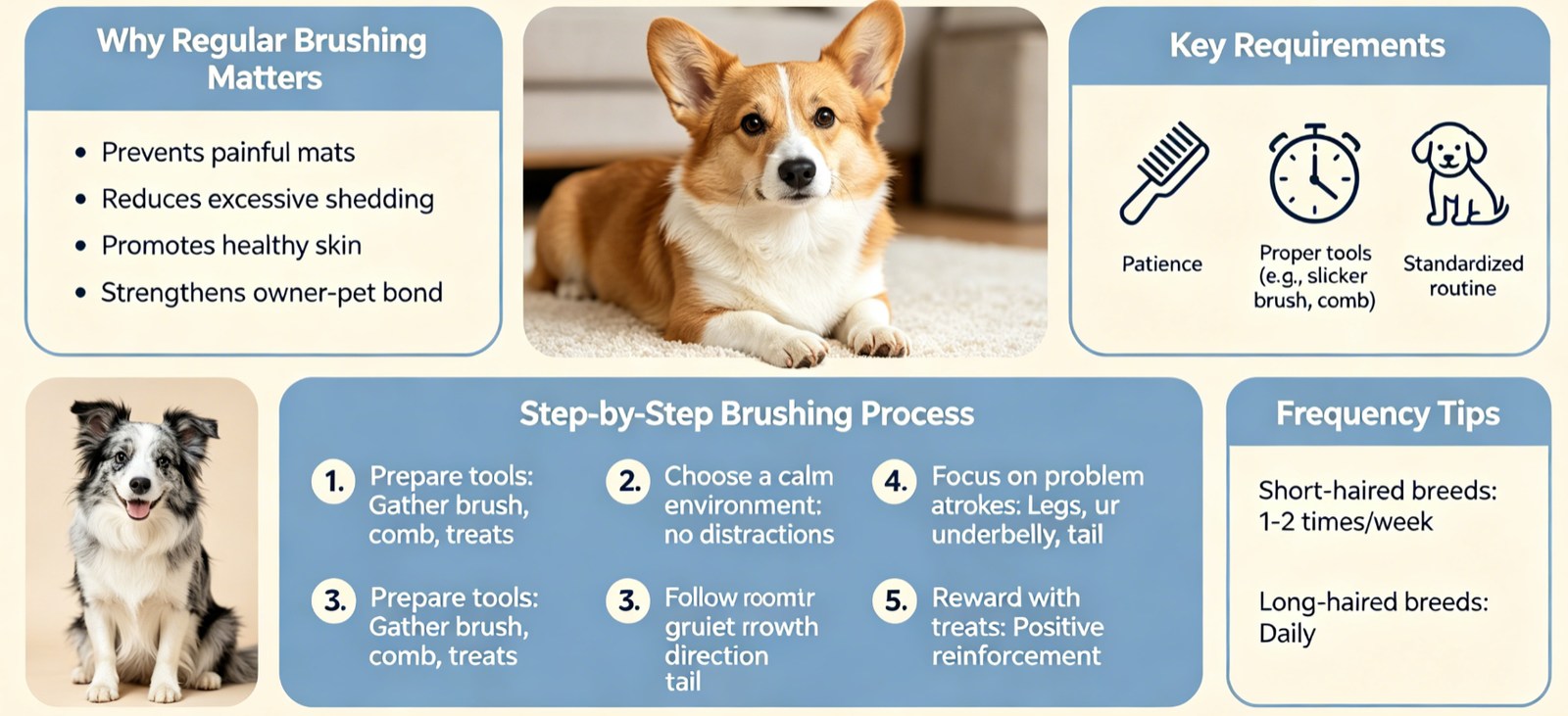
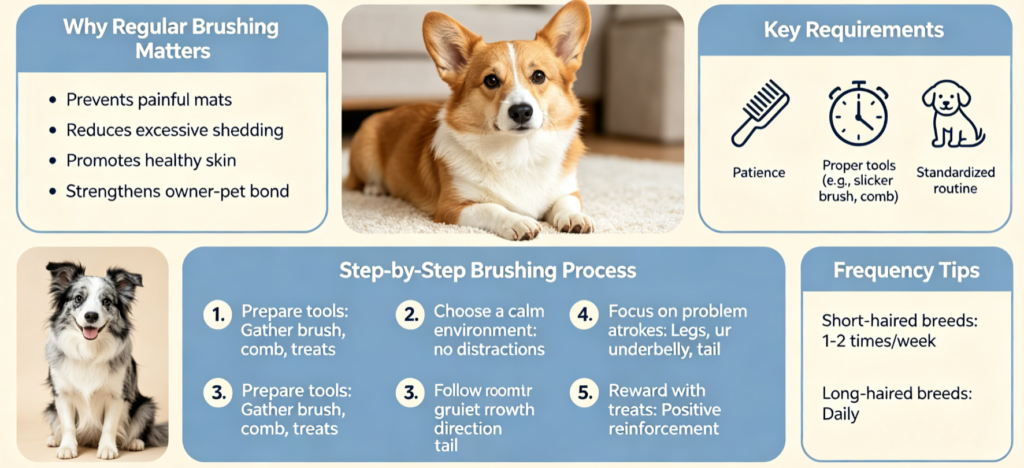
Regular fur brushing is one of the most essential parts of dog care, yet many pet owners overlook its importance. Beyond keeping your furry friend looking clean and tidy, consistent grooming prevents painful mats, reduces excessive shedding, promotes healthy skin, and strengthens the bond between you and your dog. Brushing your dog’s fur correctly does not require professional skills, but it demands patience, proper tools, and a standardized routine. Here is a practical, easy-to-follow guide for all dog owners.
First and foremost, choose the right grooming tools based on your dog’s coat type, as one-size-fits-all brushes never work. For short-haired breeds like Bulldogs and Beagles, a soft bristle brush or rubber grooming mitt is ideal. These tools gently remove loose hair and dirt without irritating their short, sensitive coats. Medium-haired dogs such as Cocker Spaniels need a slicker brush to eliminate tangles and a metal comb to check for hidden mats. Long-haired breeds like Golden Retrievers and Poodles require a pin brush for daily grooming and a dematting tool to tackle stubborn knots that form easily in their thick fur.
Before starting the brushing process, calm your dog down to create a stress-free experience. Many dogs feel anxious during grooming, especially puppies or those new to the routine. Let your dog sniff the tools, pet their head and back softly, and offer small treats as positive reinforcement. Never force your dog into position, as it will make them fear future grooming sessions. A relaxed mood makes the whole process smoother and more enjoyable for both sides.
When brushing, follow the correct direction and order. Always brush along the growth direction of the fur first to clear surface loose hair and dust. After the initial sweep, gently brush against the fur growth to catch hidden dead hair deep in the coat, then smooth the fur back into place. Focus on high-friction areas that mat easily, including behind the ears, under the armpits, around the tail, and the belly. If you encounter small tangles, use your fingers to tease them apart gently instead of yanking with a brush. For tough mats, apply a little pet-safe detangler spray before combing.
Maintaining a fixed grooming schedule is key to long-term fur health. Short-haired dogs only need brushing once or twice a week, while medium and long-haired breeds require daily brushing to prevent matting. Avoid brushing your dog’s fur right after bathing, as wet hair is fragile and prone to breakage. After each grooming session, clean your brush to remove leftover hair and dirt for next use.
In conclusion, regular and proper fur brushing is a simple but vital routine for your dog’s overall health. With the right tools, gentle techniques, and consistent habits, you can keep your dog’s coat shiny, clean, and healthy while building a warmer relationship with your loyal companion.