goods | bigs | vox | dogv1 | tape | vara | kaf | fly | upz | bood | upb | drop
Personality Traits
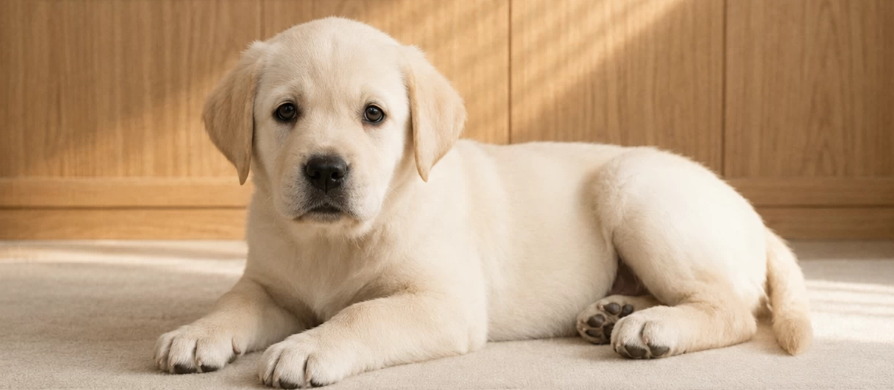
Labrador Retrievers are widely recognized as one of the friendliest and most gentle dog breeds worldwide, ranking top in global family dog rankings for decades. Their core temperament is outgoing, affectionate and non-aggressive. Unlike guard dogs, Labs rarely bark at strangers; they tend to greet every person with wagging tails and eager snuggles, making them terrible watchdogs but perfect companion pets for families with kids, the elderly and other animals.
This breed boasts extremely high intelligence and an eagerness to please their owners. They learn basic commands like sit, fetch and heel within a few training sessions, which is why they are frequently trained as guide dogs for the blind, search-and-rescue dogs and therapy dogs. Labradors have an innate retrieving instinct—they are obsessed with chasing balls, sticks and floating toys. Their endless enthusiasm for games never fades easily.
Young Labs are naturally hyperactive and clumsy. Puppies under two years old often jump on people, chew furniture and knock over small items out of excitement rather than malice. They have a patient, tolerant nature and seldom snap even when children tug their ears or paws, showing remarkable gentleness around toddlers. Though sociable, they crave constant human company and easily develop separation anxiety if left alone for hours daily.
Living Habits
Labradors were originally bred as waterfowl hunting dogs, so they have an inborn love for water. They will jump into lakes, pools or even puddles whenever given the chance, equipped with webbed paws and waterproof double coats for swimming. They have high energy levels throughout their youth and require daily physical exercise to release pent-up vitality; without enough activity, they turn to destructive chewing, digging or excessive barking.
Appetite is another prominent habit of Labs. They are notorious food scavengers with zero self-control, willing to steal food off tables or rummage through trash cans. Owners must lock away snacks and human food to prevent obesity and toxic food poisoning. They shed moderately all year round and blow their thick undercoats heavily in spring and autumn, leaving fur on clothes, sofas and floors everywhere.
Labradors adapt well to both suburban houses with yards and city apartments, as long as their exercise demands are met. They prefer staying close to their owners day and night and dislike isolated outdoor kennel living. They sleep soundly after long walks and maintain a calm, lazy mood indoors once their energy is fully exhausted.
Tips for Raising a Labrador
First, arrange sufficient daily exercise. Adult Labs need at least 1 to 2 hours of outdoor activity, including walking, running and fetch games. Swimming is an ideal low-impact workout that protects their joints. Mental stimulation such as puzzle feeders and obedience training also prevents boredom.
Strict diet management is critical. Feed high-quality dog food with controlled portions to fight obesity, a common health issue for Labs. Avoid fatty human snacks, chocolate, grapes and onions. Divide daily meals into two to three portions instead of free feeding.
Grooming routines are simple but necessary. Brush their short coats twice weekly, and increase frequency during shedding seasons to reduce loose hair. Bathe them once every one to two months; over-bathing strips protective natural oils from their skin. Trim nails monthly and clean ear canals regularly to avoid ear infections caused by water trapped after swimming.
Start obedience and socialization training from 3 to 14 weeks old. Train with positive rewards like treats and praise instead of scolding. Socialize them with different people, dogs and environments to build steady temperaments. Prepare durable chew toys to redirect their chewing urge away from household items.
Lastly, prioritize regular veterinary check-ups. Labradors are prone to hip dysplasia, eye diseases and joint problems; early screening extends their lifespan up to 10–14 years. Never leave them unattended alone for more than four hours, and create a cozy indoor resting space to ease